Basement Framing & Insulation in Philadelphia, PA
Framing a basement in an older Philadelphia house means working with walls that are uneven, sometimes damp and often shared. Done properly, new walls stand clear of the masonry and let it breathe. Philadelphia Basement Finishing refers you to contractors who do this routinely. The published national ranges are $700–$1,400 for framing and $1,500–$4,000 for insulation.
- Free visit and written estimate from a local contractor
- Damp, drains and radon checked before any building
- Permit paperwork handled by the contractor
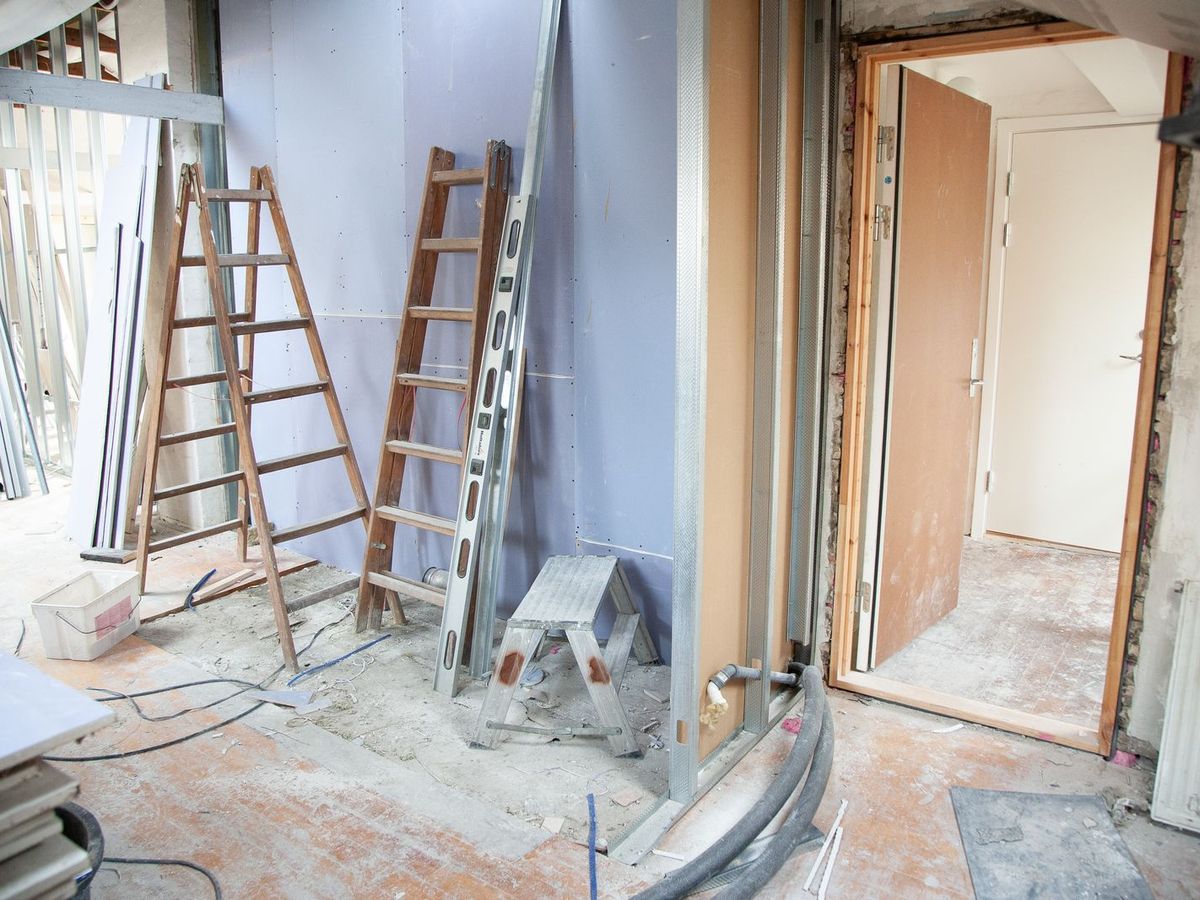
Which walls need what
A detached house has four exterior basement walls. A twin has three. A rowhome has two, front and rear, plus two party walls. Each kind is treated differently.
| Wall | Insulate for heat? | Typical treatment |
|---|---|---|
| Front and rear (exterior) | Yes | Foam against the masonry, framed wall in front |
| Free side of a twin or detached house | Yes | The same |
| Party wall | No, but helpful for sound | Thin furring and drywall, a slim stud wall, or cleaned and left exposed |
Building in front of old masonry
- Repair and repoint the wall where needed.
- Leave a small air space or fix rigid foam to the wall.
- Stand a stud wall on a treated bottom plate, clear of the masonry.
- Insulate between studs if more is needed.
- Close the gap at the top with fire blocking.
Fiberglass pressed directly against damp stone or brick is the classic mistake. It soaks up moisture and grows mold.
Wood or steel
Steel studs are light, straight and easy to carry down a narrow stair, and they do not rot. Wood is simpler for hanging shelves and cabinets. Many contractors use steel for the perimeter and wood where fixtures will be attached.
Saving width
In a basement fourteen or fifteen feet wide, every inch counts. Ways to save some:
- Leave one party wall as exposed brick, sealed against dust.
- Use shallow furring on party walls.
- Combine pipe chases with closets instead of boxing each pipe.
The rim joist
The band of wood that sits on top of the foundation at front and rear leaks more air than any wall. Sealing and insulating it makes the whole house warmer.
Utilities
The panel, meters, furnace and water heater need clearance and access. Frame a utility room around them with a proper door.
The published national ranges are $700–$1,400 for framing and $1,500–$4,000 for insulation. Make sure the basement is dry first: see waterproofing.
How it works
Fill in the form
Five questions about your basement.
We refer you
We send the details to a contractor who works in your neighborhood or town.
Site visit
They inspect, measure and discuss what you want, then send a written estimate.
Your decision
Go ahead, adjust the plan or walk away. The estimate is free either way.
Basement Framing & Insulation FAQs
Do party walls need insulating?
Not for heat, since the house next door is heated too. Framing and insulating them still helps with sound and gives a flat surface for drywall. Front and rear walls, which face the weather, are where thermal insulation matters.
How much floor space does framing take?
Typically four to six inches per wall, including the gap. In a basement fifteen feet wide that is noticeable, so some owners frame only the exterior walls and finish party walls with thinner furring or leave brick exposed.
Other services
Basement Remodeling & Renovation
Gutting and rebuilding a basement that was finished a generation ago.
Learn moreBasement Bathroom Addition
Adding a toilet, sink and perhaps a shower below street level, where drainage is the hard part.
Learn moreBasement Bedroom
A sleeping room that satisfies the rules on escape, height, light and alarms.
Learn moreEgress Window Installation
A full-size escape window and well, where the house and the lot allow one.
Learn moreBasement Bars & Wet Bars
A place to pour and serve downstairs, with or without running water.
Learn moreBasement Home Theater
A screening room built for picture and sound, and for keeping the peace with neighbors.
Learn moreBasement Home Gym
Somewhere to train at home, with flooring, air and power matched to your equipment.
Learn moreBasement Home Office
A separate, quiet workspace with good light, power and a wired connection.
Learn moreBasement Kitchenette
Sink, fridge and counter downstairs, for parties or for someone staying.
Learn moreBasement In-Law Suite
Private quarters for a parent or adult child, with sleeping, bathing and a place to make a meal.
Learn moreBasement Flooring
A floor that survives a concrete slab, humid summers and the occasional leak.
Learn moreBasement Ceilings
Finishing the ceiling without losing headroom you cannot spare.
Learn moreBasement Waterproofing
Finding out why a basement gets wet and curing it before anything is built.
Learn moreBasement Playroom
Indoor play space for families without a big yard, built tough and easy to clean.
Learn moreAreas we serve near Philadelphia, PA
Philadelphia Basement Finishing serves Philadelphia, PA and surrounding communities, including Upper Darby, Drexel Hill, Havertown, Ardmore, Bryn Mawr, Springfield, Abington, Conshohocken, Media, Willow Grove, Wayne, Norristown, King of Prussia, Bensalem and Lansdale.